

Top Rated Social Games You Need to Play Right Now
2026-07-03
Looking for the best social games to spice up your game nights? You’re not alone. With so many options out there, it’s easy to feel overwhelmed—but also exciting, because the right game can turn an ordinary evening into an unforgettable memory. Whether you're strategizing with friends or laughing through chaotic rounds, the top-rated picks we’ve gathered promise something fresh and addictive. At Zonfun, we’re all about bringing people together through play, and these gems are exactly why.
When Gaming Meets Social Hour
The hum of a controller blends with the clink of glasses as living rooms transform into hybrid spaces where playful competition meets casual conversation. It’s no longer just about reaching the next checkpoint—it's about the shared laughter when someone misses an easy shot, the spontaneous debates over game lore, or the collective groan when a boss battle goes sideways. Gaming has become the centerpiece of gatherings, a reason for friends to gather not in silence but in a lively exchange of banter and high-fives.
Outside the home, bars and cafés are reimagining their atmosphere to accommodate this shift, offering consoles alongside craft beers and setting up dedicated corners for multiplayer showdowns. These venues turn a typical night out into an interactive experience where the line between player and spectator blurs, and everyone feels part of the action. You might find date nights built around co-op missions or trivia nights that pit teams against each other in classic arcade titles, proving that the right game can turn acquaintances into allies.
This fusion also reshapes the digital realm, where voice chats during online sessions often drift from strategy to personal stories, and late-night raids double as unofficial therapy sessions. The game becomes a backdrop for deeper connection, a shared language that bridges distances and generations. Whether it's grandparents learning to drift in a kart racer or colleagues bonding over a virtual heist, gaming has quietly evolved into one of the most natural ways to hang out.
Titles That Turn Quiet Nights into Lively Gatherings
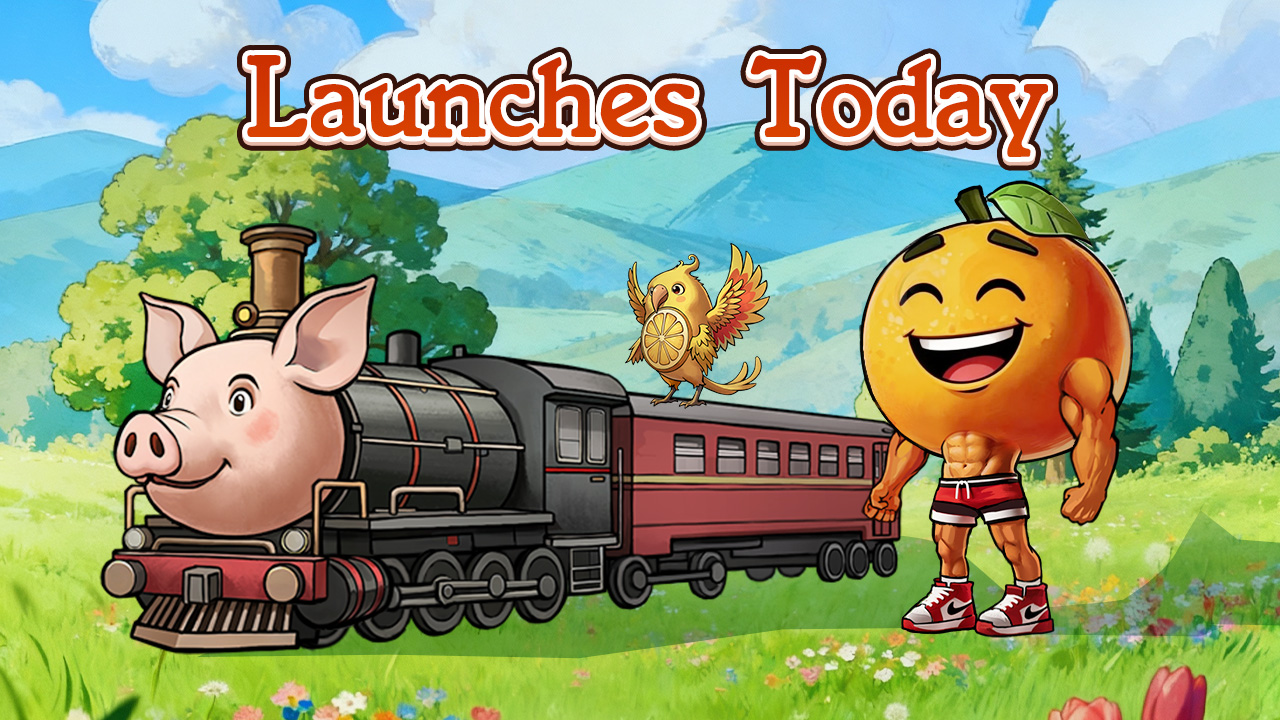
Some titles have a way of sparking instant curiosity, the kind that makes someone lean across the table and ask, “What’s that you’re reading?” They carry an energy that transforms a solitary evening into a spontaneous book club, where strangers become friends over shared interpretations and laughter.
Think of the books or films you’ve brought up at parties, the ones that always get people talking. Their titles act like invitations—playful, mysterious, or boldly provocative—coaxing even the quietest guests into animated debates. A well-chosen title doesn’t just name a story; it sets the mood for a whole room.
What makes these titles so magnetic? Often it’s their ability to hint at a universal truth or a shared secret, something that feels personal yet collective. They linger in the air long after someone says them aloud, turning a casual mention into the centerpiece of an unforgettable gathering.
The New Wave of Cooperative Adventures
Cooperative games have evolved far beyond simple split-screen shooters and puzzle games. The new wave brings complex narratives where players must truly rely on each other's unique abilities and perspectives to progress. Imagine a heist where one player controls the inside man, talking their way past guards, while another manipulates security systems remotely, and a third drives the getaway vehicle. Success hinges on seamless communication and trust, turning each mission into a shared story that feels uniquely yours.
What sets these experiences apart is how they weave cooperation into the very fabric of gameplay. Instead of just doubling firepower, modern titles create asymmetrical roles that complement one another, forcing players to think like a team. In one moment you might be guiding a friend through a dark maze using only audio cues, and in the next, you're deciphering an alien language together while under pressure. These designs foster genuine camaraderie because victory often comes from combining your strengths and compensating for each other's weaknesses, not just individual skill.
The rise of online connectivity has also allowed these adventures to become more accessible and emotionally resonant. Friends separated by oceans can now share moments of triumph and failure in real time, building memories that rival those of couch co-op. Developers are experimenting with blending cooperative and competitive elements, crafting tension-filled scenarios where alliances can shift. Whether it's surviving together in a hostile wilderness or embarking on an epic quest, the new cooperative adventure is about creating human connections through interactive storytelling, making every playthrough a personal journey of collaboration.
Building Bonds Beyond the Screen
It starts with a shared interest—a late-night gaming session, a passion for obscure films, or a lively debate in a forum. What begins as a casual exchange of ideas can unexpectedly transform into something more. When you find yourself opening up about personal struggles or celebrating small victories with someone you've only met online, the screen starts to fade. The connection becomes just as real as any face-to-face interaction, built on trust and mutual understanding rather than proximity.
These bonds often push us to seek experiences outside our digital bubbles. A group chat might organize a meetup to try that restaurant everyone's been raving about, or a book club formed on social media decides to attend a local author's reading together. The transition from pixels to presence can be awkward at first, but it's also where the magic happens—realizing that the person behind the keyboard is just as wonderfully human as their online persona suggested. Shared laughter and tangible moments solidify what started as bits of text.
Beyond the screen, these relationships become support networks that endure. When life gets tough, the friend who knows your coffee order from your stories is already reaching out, maybe with a care package or an invitation to decompress in person. Technology might have been the catalyst, but the care, empathy, and presence that follow are entirely human. Building bonds beyond the screen isn't about replacing physical connection but enriching it, proving that distance doesn't have to mean disconnection.
Why These Games Are Dominating Weekend Plans
There’s a certain magic in how a well-designed game can turn a lazy Saturday into an unforgettable adventure. It’s not just about filling time—these titles have become the go-to choice because they tap into our deepest craving for connection and escape. Whether it’s the rush of a perfectly executed team strategy or the quiet satisfaction of building something from scratch, they offer a sense of achievement that’s hard to find in the daily grind. Weekends feel expansive, and these games match that energy, giving us worlds where the only limit is how much we’re willing to explore.
Another reason they’ve taken over is the social fabric woven into the experience. Long gone are the days of solitary play; now, it’s about shared moments with friends who might be miles away. Jumping into a session feels less like gaming and more like a virtual hangout spot, complete with inside jokes and spontaneous plans. The barrier to entry is so low that anyone can join, making it the perfect digital campfire for a generation that craves togetherness even when apart. Weekends without these gatherings almost feel incomplete now.
Let’s not overlook the clever design that keeps us hooked without feeling like a chore. These games have mastered the art of the “just one more” loop, balancing challenge with reward so seamlessly that hours dissolve. They evolve constantly, with fresh content that makes every weekend feel like a new season, not a repeat. It’s a refreshing break from the algorithmic sameness of other media, offering surprises and player-driven stories that no two weekends ever truly replicate. That unpredictability is what makes them the centerpiece of our downtime.
From Party Starters to Deep Strategy Sessions
A well-timed question can break the ice faster than any drink. At casual gatherings, simple, thought-provoking prompts turn strangers into storytellers, sparking laughter and unexpected connections. It’s not about forcing fun—it’s about giving people a reason to lean in, share a memory, or debate a harmless hypothetical. Suddenly, the room feels smaller and the conversation flows like you’ve all known each other for years.
The same tool shifts effortlessly into boardrooms, where the stakes involve next quarter’s direction or a complete pivot. Here, questions become frameworks: they surface hidden assumptions, challenge groupthink, and invite quieter voices to reshape the agenda. What begins as a casual curiosity transforms into a structured dialogue that uncovers risks, aligns teams, and turns vague objectives into actionable plans. The setting changes, but the core remains—questions that matter make every conversation count.
FAQ
It's less about winning and more about the stories you create together. The best ones force you to communicate, whether through in-game proximity chat that leads to hilarious misunderstandings or collaborative goals that require actual teamwork. A truly standout social game turns a session into an inside joke factory you'll reference weeks later.
The Jackbox Party Pack series is a reliable crowd-pleaser. You don't need controllers—everyone uses their phone—and the trivia, drawing, and nonsense games lower the barrier for participation. Even people who don't normally play games end up shouting over each other in Quiplash or Tee K.O.
Try Stardew Valley's multiplayer mode. You and up to three friends can farm, fish, and mine at your own pace. It's meditative but surprisingly bonding when you're all scrambling to plant pumpkins before the season ends or pooling money for that next upgrade. No combat pressure, just shared goals.
Phasmophobia is fantastic for that. Creeping through haunted houses while hearing your friends' panicked voices through the in-game radio creates a weirdly intimate connection. The janky mechanics often lead to more laughter than fear, and debriefing after a ghost hunt feels like a true shared experience.
Fall Guys immediately comes to mind. Its battle royale of clumsy obstacle courses is pure slapstick. You'll scream as much at your own mistakes as your friends', and the new creative mode lets you design torture chambers for each other. The rounds are short, so the energy never dips.
Absolutely, and Sky: Children of the Light proves it. You explore dreamlike realms with strangers who become friends, communicating through musical notes and gestures. It's designed to foster kindness—you literally recharge each other's light. The anonymous, wordless first encounters often lead to some of the most genuine connections.
Party Animals is one to watch. It's basically fluffy brawling where physics drives the comedy—you'll wrestle on ice rinks and wobble on sinking platforms. The demo events already showed how easily it sparks friendly rivalries and sudden alliances. It captures that couch co-op chaos but online.
Conclusion
We've all felt that shift when a casual hangout turns electric, and often it's a great social game that flips the switch. Gone are the days of stiff board games or solo screen time; today's top-rated picks blend laughter, collaboration, and just enough friendly competition to turn any quiet evening into a lively gathering. From cooperative adventures where you and your crew tackle challenges together, to party starters that get everyone talking within minutes, these games are rewriting weekend plans everywhere. They don't just fill the hour—they create inside jokes, shared victories, and moments that linger long after the screens go dark.
What sets these titles apart is how naturally they build bonds beyond the game itself. Whether you're navigating a deep strategy session that demands hours of cunning teamwork, or jumping into a lighthearted romp that requires nothing but a sense of fun, the connections formed are genuine. People aren't just passing time; they're crafting stories, learning each other's quirks, and strengthening friendships in ways that text chats and social feeds can't replicate. It's no wonder these games dominate group chats and weekend agendas. If you're looking to inject new energy into your social circle, there's never been a better moment to dive into these standout experiences.
Contact Us
Contact Person: Zhixing Zhou
Email: [email protected]
Tel/WhatsApp: +86 13642670015
Website: https://www.mirmzhy.top/yd