

How to Choose High-Quality Acrylic Poker Chips for Professional and Home Use?
2026-03-18
Article Summary: Acrylic poker chips are widely used in casinos, clubs, and home gaming setups due to their durability, affordability, and visual appeal. However, selecting the right acrylic poker chips requires careful evaluation of material quality, weight, design precision, and customization options. This guide provides a comprehensive breakdown of how acrylic poker chips work, how to choose the best ones, and what factors directly impact performance and user experience.
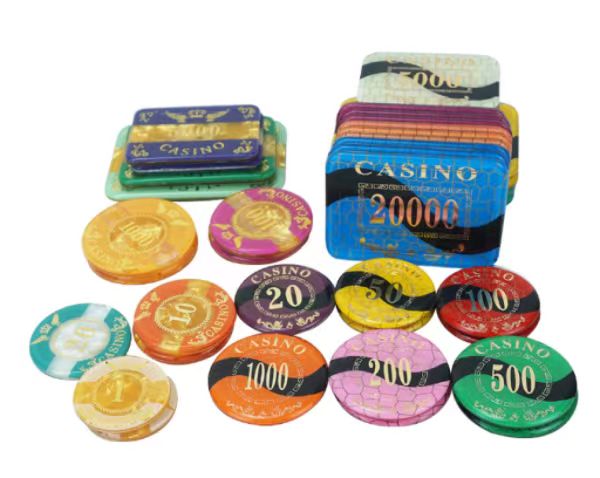
Table of Contents
1. Introduction to Acrylic Poker Chips
2. How Acrylic Poker Chips Are Manufactured
3. Key Factors to Consider When Choosing Acrylic Poker Chips
4. Acrylic Poker Chips vs Other Materials
5. Common Applications and Use Cases
6. Product Parameter Reference Table
7. Maintenance and Storage Tips
8. Frequently Asked Questions
9. Conclusion
1. Introduction to Acrylic Poker Chips
Acrylic poker chips are manufactured using high-grade polymer materials that provide a balance between cost efficiency and durability. Unlike clay or ceramic chips, acrylic chips are lightweight, resistant to moisture, and suitable for both casual and semi-professional environments.
For buyers, the main challenge lies in identifying chips that offer consistent quality, tactile satisfaction, and long-term usability without compromising budget constraints. This is particularly relevant for bulk purchasers such as distributors, event organizers, and gaming equipment suppliers.
2. How Acrylic Poker Chips Are Manufactured
Understanding the production process helps in evaluating product quality. Acrylic poker chips are typically manufactured through injection molding, followed by surface finishing and printing.
- Raw Material Preparation: High-purity acrylic resin is selected.
- Injection Molding: Molten material is injected into precision molds.
- Cooling and Solidification: Ensures dimensional stability.
- Surface Treatment: Polishing or texturing improves grip and aesthetics.
- Printing and Customization: Logos, denominations, or patterns are applied.
Advanced manufacturers like Kaile emphasize precision molding and color consistency to ensure uniform chip batches, which is critical for professional use.
3. Key Factors to Consider When Choosing Acrylic Poker Chips
3.1 Material Quality
High-quality acrylic should be transparent or evenly colored without impurities. Poor-quality materials often result in brittle chips that crack under pressure.
3.2 Weight and Thickness
Standard acrylic poker chips typically range from 8g to 12g. Heavier chips provide a more professional feel, while lighter chips are more cost-effective for bulk purchases.
3.3 Edge Design and Grip
Textured edges improve handling and stacking stability. Smooth edges may reduce friction but can impact usability during gameplay.
3.4 Printing Quality
High-resolution printing ensures that denominations and logos remain clear over time. UV printing or embedded labels are preferred for durability.
3.5 Customization Capability
Customization is essential for branding. Buyers should consider suppliers that offer flexible design options, including color schemes, logos, and packaging.
3.6 Price vs Value
Low-cost chips may reduce upfront expenses but often lead to higher replacement rates. Evaluating lifecycle cost is more effective than focusing solely on unit price.
4. Acrylic Poker Chips vs Other Materials
| Material | Durability | Weight | Cost | Best Use |
| Acrylic | Moderate | Light to Medium | Low | Home games, promotions |
| Clay Composite | High | Medium to Heavy | Medium | Casinos, tournaments |
| Ceramic | Very High | Medium | High | Professional gaming |
Acrylic chips are ideal for users seeking affordability and flexibility, while still maintaining acceptable performance standards.
5. Common Applications and Use Cases
- Home poker nights and casual gaming
- Corporate promotional events
- Educational simulations and training
- Retail resale and wholesale distribution
- Custom branded gaming kits
Due to their versatility, acrylic poker chips are widely adopted across both entertainment and commercial sectors.
6. Product Parameter Reference Table
| Parameter | Specification |
| Material | Acrylic (PMMA) |
| Diameter | 39 mm (standard) |
| Thickness | 3.0 mm – 3.5 mm |
| Weight | 8g – 12g |
| Color Options | Customizable |
| Printing Method | UV / Screen Printing |
| Packaging | Boxes, aluminum cases, or bulk |
7. Maintenance and Storage Tips
Proper maintenance extends the lifespan of acrylic poker chips and preserves their visual appeal.
- Store chips in a dry, temperature-controlled environment.
- Avoid prolonged exposure to direct sunlight.
- Clean regularly with a soft cloth and mild detergent.
- Use dedicated storage cases to prevent scratches.
8. Frequently Asked Questions
Q1: Are acrylic poker chips suitable for professional tournaments?
Acrylic chips are generally more suitable for casual or semi-professional settings. Professional tournaments typically prefer clay or ceramic chips for their weight and tactile properties.
Q2: Can acrylic poker chips be customized with logos?
Yes, acrylic poker chips support a wide range of customization options, including full-color printing, embedded labels, and edge designs.
Q3: How durable are acrylic poker chips?
They offer moderate durability. While resistant to moisture and wear, they may crack under excessive force compared to higher-end materials.
Q4: What is the standard size of acrylic poker chips?
Most acrylic poker chips follow the standard 39 mm diameter used in the gaming industry, ensuring compatibility with accessories and storage systems.
9. Conclusion
Choosing the right acrylic poker chips involves a balance between quality, cost, and intended use. By evaluating material integrity, weight consistency, customization options, and manufacturing standards, buyers can ensure a reliable and visually appealing product.
Kaile continues to deliver consistent acrylic poker chip solutions tailored for global clients, offering scalable production, customization flexibility, and strict quality control.
For bulk orders, custom designs, or detailed product specifications, contact us today to receive tailored solutions and competitive pricing for your business needs.